Top Bedroom Design Mistakes to Avoid for a Cozy Space
Creating a cozy bedroom is about more than just picking pretty furniture or colors. Many homeowners struggle with making their bedrooms feel comfortable and inviting because of common design mistakes. These errors can make your bedroom feel cramped, cold, or cluttered instead of a restful retreat. If you want your bedroom to be a place where you can truly relax and recharge, avoid these top bedroom design mistakes.

Ignoring the Room’s Size and Layout
One of the biggest mistakes is not considering the size and shape of your bedroom before choosing furniture and decor. A large bed in a small room can make the space feel cramped and hard to move around in. On the other hand, a tiny bed in a large room can leave the space feeling empty and cold.
Tips to avoid this:
Measure your room carefully before buying furniture.
Choose furniture that fits the scale of the room. For example, a queen bed might be too big for a small bedroom, so consider a full or twin size.
Arrange furniture to allow easy movement and clear pathways.
Use multifunctional furniture like beds with storage drawers to save space.
Overloading the Room with Too Much Furniture
Filling your bedroom with too many pieces can make it feel cluttered and stressful. Bedrooms should be calm spaces, so avoid crowding them with unnecessary furniture.
What to keep in mind:
Stick to essential pieces: bed, nightstands, dresser, and maybe a chair.
Avoid bulky furniture that takes up too much floor space.
Use vertical storage options like shelves to keep the floor clear.
Keep surfaces tidy to maintain a sense of calm.
Choosing the Wrong Lighting
Lighting plays a huge role in setting the mood of your bedroom. Many homeowners either rely on a single overhead light or use harsh bulbs that make the room feel cold and uninviting.
How to improve lighting:
Use layered lighting: combine overhead lights, bedside lamps, and accent lighting.
Choose warm light bulbs to create a cozy atmosphere.
Add dimmers to control brightness depending on the time of day or activity.
Consider natural light and use curtains or blinds that allow you to adjust it easily.
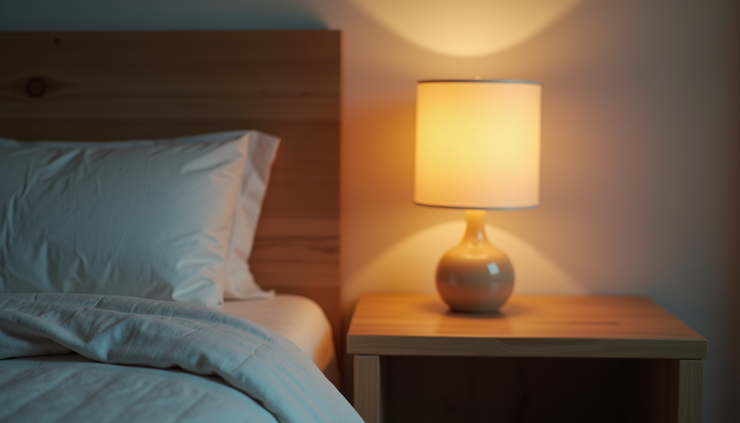
Neglecting Color and Texture
Color and texture affect how cozy your bedroom feels. Using too many bright or cold colors can make the space feel sterile. Similarly, smooth, hard surfaces without soft textures can make the room uncomfortable.
Ways to create warmth:
Choose warm, muted colors like soft beige, warm gray, or gentle pastels.
Add texture with rugs, throw blankets, and pillows.
Use natural materials like wood, cotton, or linen.
Avoid overly shiny or reflective surfaces that can feel harsh.
Forgetting About Storage Solutions
A cluttered bedroom is never cozy. Without enough storage, clothes, books, and other items can pile up, making the room feel chaotic.
Storage ideas to consider:
Use under-bed storage bins or drawers.
Install shelves or hooks on walls to keep things off the floor.
Choose furniture with built-in storage, like ottomans or beds with headboards that have shelves.
Keep only what you need in the bedroom to reduce clutter.
Overdecorating or Underdecorating
Both extremes can hurt your bedroom’s comfort. Too many decorations can overwhelm the space, while too few can make it feel empty and cold.
Balance your decor by:
Selecting a few meaningful pieces like artwork or photos.
Using plants to add life without clutter.
Keeping surfaces mostly clear to maintain calm.
Rotating decor seasonally to keep the room fresh without overcrowding.

Skipping Personal Touches
Your bedroom should reflect your personality and tastes. Skipping personal touches can make the space feel generic and less inviting.
Add personality by:
Displaying favorite books or photos.
Using colors and patterns you love.
Incorporating items that bring you comfort, like a favorite blanket or artwork.
Creating a space that feels uniquely yours.
Final Thoughts
A cozy bedroom doesn’t happen by accident—it’s created through thoughtful choices that support comfort, balance, and personal well-being.
When you avoid common design mistakes and pay attention to how your space looks and feels, your bedroom can become more than just a place to sleep. It becomes a retreat that helps you unwind, recharge, and feel at ease at the end of each day.
By choosing what truly serves you, embracing warmth and simplicity, and adding personal touches that matter, you create a bedroom that feels calm, inviting, and unmistakably yours.


