Signs It’s Time to Replace Your Furnace
A furnace keeps your home warm and comfortable during cold months. But like any major appliance, it won’t last forever. Knowing when to replace your furnace can save you money, prevent unexpected breakdowns, and keep your home safe. This guide helps homeowners spot the key signs that indicate it’s time for a furnace replacement.
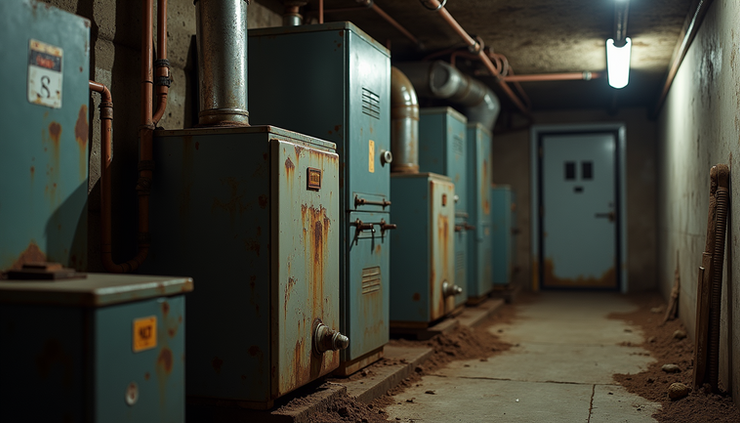
Furnace Age Matters
Most furnaces last between 15 and 20 years. If your furnace is approaching or past this age range, it’s a good idea to start thinking about replacement. Older furnaces lose efficiency and may require frequent repairs, which can add up quickly.
Furnaces over 15 years often use outdated technology.
Newer models can save up to 20-30% on heating costs.
Older units may not meet current safety standards.
If you don’t know the age of your furnace, check the manufacturer’s label or ask a professional technician during your next service visit.
Rising Energy Bills
One of the clearest signs your furnace is struggling is a sudden increase in your heating bills. If your home’s insulation and thermostat settings haven’t changed, but your energy costs keep climbing, your furnace might be losing efficiency.
Worn-out parts cause the furnace to work harder.
Inefficient combustion wastes fuel.
Leaks in ductwork can also contribute but often coincide with furnace issues.
Tracking your energy bills over several months can help you spot this trend early.
Frequent Repairs and Breakdowns
If you find yourself calling for furnace repairs more than once a year, replacement might be more cost-effective. Repair costs can add up, especially if the furnace is older or parts are hard to find.
Repair bills exceeding 50% of a new furnace’s cost suggest replacement.
Frequent breakdowns mean unreliable heating.
Older furnaces may have safety risks like cracked heat exchangers.
A professional inspection can help you weigh repair costs against replacement benefits.
Uneven Heating and Strange Noises
When your furnace struggles, you might notice uneven heating in your home. Some rooms stay cold while others get too warm. This can happen if the furnace can’t maintain consistent airflow or temperature.
Cold spots indicate airflow or furnace capacity problems.
Rattling, banging, or squealing noises often signal mechanical issues.
Persistent noise can mean worn belts, loose parts, or failing motors.
Ignoring these signs can lead to bigger problems or complete furnace failure.

Poor Air Quality and Safety Concerns
A failing furnace can affect indoor air quality and safety. Dust, soot, or rust particles may circulate through your home’s air ducts. More seriously, a cracked heat exchanger can leak carbon monoxide, a dangerous, odorless gas.
Increased dust or soot around vents is a warning sign.
Yellow or flickering pilot lights indicate combustion problems.
Carbon monoxide detectors sounding alarms require immediate action.
If you suspect safety issues, turn off the furnace and call a professional immediately.
New Furnace Benefits
Replacing your furnace offers several advantages beyond fixing problems:
Improved energy efficiency lowers heating bills.
Enhanced comfort with better temperature control.
Reduced environmental impact with cleaner burning technology.
Increased home value and peace of mind.
Modern furnaces also come with smart thermostats and quieter operation, making your home more comfortable and convenient.
When to Schedule Furnace Replacement
Plan furnace replacement before the coldest months arrive. This avoids emergency situations and gives you time to research options and get professional advice.
Schedule an inspection in early fall or spring.
Compare quotes from licensed HVAC contractors.
Ask about energy-efficient models and available rebates.
Replacing your furnace proactively can prevent costly repairs and keep your home warm all winter.


